Are you jealous responses are the quick comebacks and witty replies people use when someone playfully or seriously accuses them of being jealous, and knowing how to answer with emotional intelligence can instantly shift the tone of a conversation. Have you ever been caught off guard when a friend, partner, or coworker teased you with “you’re just jealous,” and you weren’t sure how to give a calm response without sounding defensive?
I’ve noticed that the best reactions come from self-awareness and confidence, not insecurity. Instead of reacting emotionally, a non-defensive reply or assertive communication shows emotional maturity and helps maintain mutual respect. Sometimes the comment is just an indirect compliment, other times it’s a passive-aggressive comment tied to social comparison, envy vs jealousy, or emotional triggers like fear of loss.
Using the right words helps with emotional validation while protecting personal boundaries. Whether it’s light teasing or interpersonal conflict, responding with trust, healthy boundaries, and an open conversation keeps things balanced. In this post, you’ll find witty responses, humorous answers, and confident retorts you can use in different situations, all designed to help you reply with clarity, composure, and emotional control without escalating the moment.
Are You Jealous Responses with Humor

Story: Imagine a friend teases you after seeing you side-eye their new outfit. Instead of denying it, you flip the situation with a light joke that makes everyone laugh.
When to Use: Best when you want to keep things fun and avoid tension. Works in casual conversations with friends or coworkers.
When Not to Use: Avoid using humor if the other person is being serious or sensitive about the topic.
Example:
Friend: “Are you jealous?”
You: “Only your ability to spend money like it grows on trees.”
How to Respond 🗣️:
- “Jealous? Please, I’m just taking notes.”
- “If I were jealous, I’d be greener than your shirt.”
- “Only jealous of your luck, not your taste.”
Flirty Are You Jealous Responses
Story: You’re texting someone you like, and they ask, “Are you jealous?” after mentioning someone else. A playful line here can turn the moment flirty instead of awkward.
When to Use: Perfect in dating or texting scenarios when you want to show interest without sounding insecure.
When Not to Use: Don’t use it with coworkers, friends, or anyone where flirty comments would be out of place.
Example:
Them: “Are you jealous?”
You: “Maybe… but only because I want all your attention.”
How to Respond 🗣️:
- “I’d say jealousy is an understatement.”
- “What if I said yes—would you make it up to me?”
- “Only jealous of anyone who gets more of your time than I do.”
Sarcastic Are You Jealous Responses
Story: A sibling brags about finishing the last slice of pizza. You roll your eyes and answer with a clever, sarcastic retort.
When to Use: Works great when you want to keep the mood silly and not too serious.
When Not to Use: Avoid if the other person can’t take sarcasm well or might misinterpret it.
Example:
Sibling: “Are you jealous I got the last piece?”
You: “Yeah, I’ll write about it in my diary tonight.”
How to Respond 🗣️:
- “Oh yes, I’ll cry myself to sleep.”
- “Totally, this is the highlight of my week.”
- “Absolutely devastated… how will I survive?”
Short & Effective Thank You for Cooperation Texts 🙏
Confident Are You Jealous Responses
Story: Someone at work teases you after seeing you react to their success. Instead of looking insecure, you respond with calm confidence.
When to Use: Great in professional or competitive settings where you want to project self-assurance.
When Not to Use: Skip it if the mood is playful—confidence without humor might feel stiff in casual chats.
Example:
Coworker: “Are you jealous?”
You: “Nope. I’m inspired, not jealous.”
How to Respond 🗣️:
- “Jealous? No, I like seeing people win.”
- “I don’t do jealousy—I do motivation.”
- “That’s not jealousy, that’s admiration.”
Witty Are You Jealous Responses
Story: A friend shows off their new phone, hoping for a reaction. Instead of sulking, you drop a witty response that makes everyone laugh.
When to Use: Works best in casual conversations with friends, classmates, or family.
When Not to Use: Avoid with strangers or in formal settings—it can come off as smug.
Example:
Friend: “Are you jealous?”
You: “Only jealous of how fast you drain your battery.”
How to Respond 🗣️:
- “Not jealous, just wondering if it comes with free bragging rights.”
- “Jealous? No, but I’m curious if you’ll let me test it.”
- “Maybe a little, but I hide it well.”
Read more: Funny,Creative Replies I Thanksgiving Sweet Messages
6. Playful Are You Jealous Responses
Story: At a party, your friend notices you laughing when they show off their dance moves and asks, “Are you jealous?” Instead of being defensive, you keep it lighthearted with a playful line.
When to Use: Perfect in fun, casual settings when you want to keep the vibe positive and silly.
When Not to Use: Don’t use it in serious conversations where feelings might get hurt.
Example:
Friend: “Are you jealous of my moves?”
You: “Only jealous of how fearless you are on the dance floor.”
How to Respond 🗣️:
- “I’d join, but I don’t want to embarrass you.”
- “Jealous? More like entertained.”
- “If being jealous means I get lessons, then yes.”
Fearless Are You Jealous Responses

Story: Someone brags too much about their new purchase, fishing for compliments. You decide to shut it down with a Fearless yet witty comeback.
When to Use: Best for situations where the other person is showing off excessively and you want to bring them down a notch.
When Not to Use: Avoid with sensitive friends or people who might take it personally.
Example:
Them: “Are you jealous of my car?”
You: “No, I’m jealous of your loan payments.”
How to Respond 🗣️:
- “Jealous? Not really, I prefer reliability over debt.”
- “Only jealous of how easily you fall for marketing.”
- “I’ll be jealous when you can actually afford gas.”
Cute Are You Jealous Responses
Story: Your partner jokes after catching you frowning at their playful interaction with someone else. Instead of sulking, you go with a sweet and cute reply.
When to Use: Perfect for relationships or flirty situations where you want to keep things light but affectionate.
When Not to Use: Avoid in serious arguments—it can seem dismissive.
Example:
Partner: “Are you jealous?”
You: “Maybe… but only because I like you too much.”
How to Respond 🗣️:
- “Yes, but only because you’re mine.”
- “A little, but it just means I care.”
- “Jealous? More like protective.”
Ways to Replies to a “TBH” On Snapchat & X 😆
9. Smart Are You Jealous Responses
Story: A coworker teases you about their quick promotion. Instead of sounding bitter, you hit them with a smart, polished comeback.
When to Use: Great in professional or academic settings where you want to keep your dignity intact.
When Not to Use: Don’t use it if you want to sound casual or funny—it’s more about intellect and confidence.
Example:
Coworker: “Are you jealous?”
You: “No, I’m focused on my own path.”
How to Respond 🗣️:
- “Jealousy is wasted energy, I prefer growth.”
- “Not jealous—your win doesn’t take away mine.”
- “Inspired, maybe. Jealous, never.
Funny Are You Jealous Responses
Story: Your buddy gets a new haircut and asks if you’re jealous. You decide to respond with humor so everyone has a good laugh.
When to Use: Best with close friends, family, or casual conversations where laughter fits naturally.
When Not to Use: Skip it in serious or professional conversations—it can feel out of place.
Example:
Friend: “Are you jealous of my haircut?”
You: “Only jealous that you had the courage to trust your barber.”
How to Respond 🗣️:
- “Jealous? No, but I’ll pray for your mirror.”
- “Only jealous of how quickly hair grows back.”
- “Not jealous, just curious how much you paid for that.”
See Also: Funny Pick-Up Line Responses That Work
Fearless but Funny Are You Jealous Responses
Story: A classmate keeps bragging about their test score and asks if you’re jealous. You decide to balance Fearless humor with a light laugh so it doesn’t come off too harsh.
When to Use: Ideal for friends or peers who are trying too hard to show off.
When Not to Use: Avoid in professional or sensitive settings—it might sound rude.
Example:
Classmate: “Are you jealous of my grade?”
You: “No, I’m jealous of your ability to kiss up to the teacher.”
How to Respond 🗣️:
- “Jealous? Only in your free time, not in your grades.”
- “Nope, I’m just glad curves exist.”
- “Only jealous that you studied while I Consumed Netflix.”
Lighthearted Are You Jealous Responses
Story: Your friend shows off their new sneakers, and instead of getting serious, you answer with a lighthearted joke.
When to Use: Great for keeping small talk casual and fun.
When Not to Use: Don’t use if someone is genuinely insecure and looking for validation.
Example:
Friend: “Are you jealous of my shoes?”
You: “Yes, I’m jealous your feet get more attention than mine.”
How to Respond 🗣️:
- “Jealous? Sure, but I walk faster.”
- “Only jealous of the box they came in.”
- “Not jealous—just waiting for your trip.”
Fearless Flirty Are You Jealous Responses
Story: You’re texting your crush, and they jokingly ask if you’re jealous. Instead of being predictable, you mix flirtation with a fearless edge to keep it exciting.
When to Use: Perfect for playful texting, Snapchat, or dating chats.
When Not to Use: Avoid in person if you’re not sure they’ll catch the tone—it can come off too sharp.
Example:
Them: “Are you jealous?”
You: “Yeah, jealous that they’re talking to you instead of me.”
How to Respond 🗣️:
- “Jealous? Absolutely, but only because you’re worth it.”
- “Not jealous… just claiming what’s mine.”
- “If I said yes, would you finally give me that date?”
Are You Hungry? 25+ Funny & Sweet Responses 😋
Over-the-Top Are You Jealous Responses
Story: Someone shows you their new gadget, and instead of a mild response, you go all dramatic just for laughs.
When to Use: Great with friends and siblings when you want to exaggerate for humor.
When Not to Use: Don’t use it in serious or professional conversations—it might sound immature.
Example:
Sibling: “Are you jealous of my new phone?”
You: “Jealous? I’m shattered, devastated, ruined forever.”
How to Respond 🗣️:
- “Yes, I’ll be in therapy for weeks.”
- “Jealous? My world just collapsed.”
- “You’ve ruined my life… hope you’re happy.”
Subtle Are You Jealous Responses
Story: In a group conversation, someone jokingly asks if you’re jealous. Instead of being obvious, you keep your response cool and understated.
When to Use: Perfect when you want to sound smooth and in control.
When Not to Use: Avoid playful moments where people expect big humor—it might seem too dry.
Example:
Friend: “Are you jealous?”
You: “Not at all—I’m just observing.”
How to Respond 🗣️:
- “Jealous? No, I like watching others shine.”
- “Not jealous, just curious.”
- “I wouldn’t call it jealousy—I’d call it perspective.”
Learn More: Replies of Appreciation I Thank You for Your Attention
Fearless but Playful Are You Jealous Responses
Story: A buddy keeps bragging about how many likes their Instagram post got. Instead of sulking, you hit them with a fearless yet playful reply.
When to Use: Great for close friends who can handle teasing without offense.
When Not to Use: Avoid if the person is insecure about their popularity.
Example:
Friend: “Are you jealous of my likes?”
You: “Jealous? No, I’m just impressed you begged that many people.”
How to Respond 🗣️:
- “Not jealous, just wondering if bots count.”
- “Only jealous of how much free time you had to post.”
- “Nah, I’m saving my jealousy for something real.”
Chill Are You Jealous Responses

Story: Someone teases you about their vacation photos, expecting you to be jealous. Instead of reacting, you give a calm, chill answer.
When to Use: Perfect when you want to keep your cool and avoid drama.
When Not to Use: Skip it if you actually feel sensitive—it may sound dismissive.
Example:
Them: “Are you jealous I went to the beach?”
You: “Not jealous, just happy you enjoyed.”
How to Respond 🗣️:
- “Jealous? Nah, my turn is coming.”
- “Not jealous, I like my couch too much.”
- “I’ll live through your photos.”
Bold Are You Jealous Responses
Story: During a debate, someone jokingly accuses you of being jealous of their point. Instead of backing down, you confidently throw out a bold reply.
When to Use: Best in competitive, confident environments like classrooms, workplaces, or debates.
When Not to Use: Don’t use it with people who might take boldness as arrogance.
Example:
Them: “Are you jealous?”
You: “Jealous? No, I’m the standard.”
How to Respond 🗣️:
- “Not jealous—I set the bar.”
- “Jealousy isn’t my style, winning is.”
- “I don’t get jealous, I get noticed.”
You Got This? 25+ Funny & Motivating Responses
Ironic Are You Jealous Responses
Story: Your sibling brags about finishing their chores faster and asks if you’re jealous. Instead of being serious, you answer ironically to make them laugh.
When to Use: Great for sarcastic humor among friends and family.
When Not to Use: Avoid in settings where irony might be misread as bitterness.
Example:
Sibling: “Are you jealous I’m done first?”
You: “Yes, I’ve always dreamed of finishing dishes quicker.”
How to Respond 🗣️:
- “Totally, that’s my life goal.”
- “Jealous? Yes, my bucket list is complete.”
- “Finally, I can admire your speed with envy.”
Relatable Are You Jealous Responses
Story: Your coworker jokes about having more coffee than you. Instead of acting annoyed, you reply with a relatable line that everyone understands.
When to Use: Perfect for casual workplace banter or friend groups.
When Not to Use: Don’t use it in formal settings where humor isn’t welcome.
Example:
Coworker: “Are you jealous of my coffee?”
You: “Yes, caffeine is the only thing I envy.”
How to Respond 🗣️:
- “Jealous? Definitely, I’m running on fumes.”
- “Only jealous of your barista skills.”
- “Not jealous, just plotting my next cup.”
Dramatic Are You Jealous Responses
Story: A friend teases you about their vacation photos and asks if you’re jealous. Instead of a calm answer, you go all in with exaggerated drama.
When to Use: Great when you want to entertain a group and keep everyone laughing.
When Not to Use: Avoid if the mood is serious—it can feel like you’re mocking.
Example:
Friend: “Are you jealous?”
You: “Jealous? My heart aches, my soul weeps, my world crumbles.”
How to Respond 🗣️:
- “Yes, I’ll write a tragic poem about it tonight.”
- “Jealous? I’ll need therapy sessions after this.”
- “You’ve ruined my happiness forever.”
Short and Snappy Are You Jealous Responses
Story: Someone jokingly calls you jealous during a quick conversation. Instead of overthinking, you throw back a short and clever reply.
When to Use: Perfect for fast-paced chats, texting, or group banter.
When Not to Use: Don’t use in deeper conversations—it can feel dismissive.
Example:
Them: “Are you jealous?”
You: “Only slightly.”
How to Respond 🗣️:
- “Maybe.”
- “A little.”
- “Who wouldn’t be?”
Don’t Work Too Hard Comebacks 25 Witty Funny Answers 😎
Friendly Are You Jealous Responses
Story: Your buddy jokingly accuses you of being jealous when they win a game. You answer in a friendly way that keeps the vibe warm.
When to Use: Great in games, sports, or fun competitions.
When Not to Use: Avoid if someone is being arrogant—it may sound too soft.
Example:
Friend: “Are you jealous?”
You: “Not jealous—just happy you finally won one.”
How to Respond 🗣️:
- “Jealous? No, proud of you.”
- “Not jealous, just waiting for my turn.”
- “I’ll let you have this one.
Smooth Are You Jealous Responses

Story: Someone teases you about their success, but instead of being defensive, you respond with a smooth, confident line.
When to Use: Best when you want to sound classy and unbothered.
When Not to Use: Avoid silly group banter—it can sound too serious.
Example:
Them: “Are you jealous?”
You: “Jealousy doesn’t suit me—I prefer style.”
How to Respond 🗣️:
- “Not jealous, I’m on my own level.”
- “Jealous? No, I’m steady where I stand.”
- “Confidence over jealousy, always.”
Honest Are You Jealous Responses
Story: Your best friend teases you about their new promotion. Instead of dodging, you respond honestly in a way that shows maturity.
When to Use: Perfect when you actually feel a little jealous but want to keep the friendship real.
When Not to Use: Don’t use it if you’re trying to hide your feelings—it’s straightforward.
Example:
Friend: “Are you jealous?”
You: “A little, yeah—but I’m proud of you.”
How to Respond 🗣️:
- “Yes, but in the best way—I’m inspired.”
- “A bit, but that just means I admire you.”
- “Sure, but I’m happy for you too.”
Too Busy Witty Comebacks 25+ Hilarious Responses
How to insult a jealous person
Story: Imagine you just got promoted at work, and a colleague rolls their eyes and mutters, “Wow, you’re lucky, aren’t you?” Their tone reeks of jealousy, and you want a witty response without escalating tension.
When to Use: Best for playful banter or when you feel confident standing your ground. It’s ideal for moments where the other person’s envy is obvious but harmless.
When Not to Use: Avoid in sensitive situations, like serious workplace discussions or family matters, where insults could harm relationships.
Example:
Colleague: “You always get all the breaks, huh?”
You: “Some of us just work hard while others practice the art of envy.”
How to Respond 🗣️:
- “Thanks for noticing! I’ll try to teach you some of this luck.”
- “Careful, jealousy doesn’t look good on anyone.”
- “I’d explain it, but I wouldn’t want to make you jealous.”
Why would someone say you’re jealous of them
Story: Your friend brags about buying a new car. You compliment them, but they snap, “Stop, you’re just jealous!”
When to Use: Understanding this helps you respond calmly instead of getting defensive. People often accuse others of jealousy when they sense insecurity or want validation.
When Not to Use: Don’t assume every comment of “You’re jealous” is true. Sometimes it’s just a defensive reaction from the other person.
Example:
Friend: “Wow, you must be jealous of my new house.”
You: “Not at all, I’m happy for you!”
How to Respond 🗣️:
- “I admire your success, really.”
- “Jealous? No, I’m inspired.”
- “Not jealous, just curious how you did it.”
Ignore jealous person quotes

Story: A social media post pops up with someone hinting you’re jealous of their achievements. You choose to scroll past rather than engage.
When to Use: Perfect when confrontation is unnecessary or the person thrives on attention. Silence can be the most effective answer.
When Not to Use: Avoid ignoring if the situation involves repeated harassment or workplace sabotage—then a direct response may be necessary.
Example:
Post: “Some people just can’t handle others winning.”
You: (scrolls silently)
How to Respond 🗣️:
- “Not every comment deserves a reply.”
- “Let them talk while you focus on growth.”
- “Peace is the best answer to envy.”
Polite Comebacks for Jealous Relatives
Story: A cousin teases you about your achievements at a family gathering. Instead of snapping, you offer a polite comeback.
When to Use: Ideal for family gatherings where maintaining harmony matters but you want to assert confidence.
When Not to Use: Avoid sarcasm that might escalate tensions at sensitive family events.
Example:
Cousin: “Oh, look at you, fancy new job. Must be nice.”
You: “I’m grateful for it, and I hope you get something you love soon too.”
How to Respond 🗣️:
- “Thanks! Your support means a lot.”
- “Everyone has their own pace, don’t worry.”
- “I appreciate your interest, it motivates me.”
Early Bird Gets The Worm? 25+ Witty & Fun Responses 🐦
How to Respond to Jealous Friends
Story: A friend subtly hints you’re lucky to travel so often. You want to address it without hurting feelings.
When to Use: When friendship matters more than proving a point. Focus on empathy while setting boundaries.
When Not to Use: Don’t over-explain or justify; it can feed into their insecurity.
Example:
Friend: “You always go on trips. Must be nice!”
You: “I’m happy to share tips if you ever want to go too.”
How to Respond 🗣️:
- “I’d love to plan a trip with you sometime.”
- “Everyone’s timing is different, enjoy your journey.”
- “No jealousy here, just excitement to explore.”
Signs Someone is Jealous of You
Story: You notice subtle behaviors: gossip, unnecessary criticism, or constant comparisons. Recognizing these signs helps you respond calmly.
When to Use: Use when you want to protect your emotional space and avoid unnecessary conflict.
When Not to Use: Avoid labeling someone without clear patterns—it may lead to misunderstandings.
Example:
Observation: “She always finds a flaw in my work, even when it’s good.”
You: “Classic sign of jealousy; I’ll stay professional and not react.”
How to Respond 🗣️:
- “Focus on your own goals instead of their envy.”
- “Recognize it, but don’t internalize it.”
- “Kindness often defuses jealousy naturally.”
How to Handle a Toxic Jealousy Situation
Story: A colleague constantly undermines your work. The environment feels tense and stressful.
When to Use: In workplaces, friendships, or family situations where jealousy is harmful or persistent.
When Not to Use: Don’t ignore repeated toxic behavior; it can escalate.
Example:
You notice sabotage: “He keeps taking credit for my ideas.”
You: “I’ll document my work and address this calmly with HR.”
How to Respond 🗣️:
- “Set boundaries and protect your space.”
- “Communicate calmly but firmly about the behavior.”
- “Focus on solutions rather than their envy.”
Are you jealous replies in English
Story: A friend jokingly teases, “Are you jealous of my new phone?” You want a short, clever reply.
When to Use: Perfect in casual conversations, texts, or playful exchanges.
When Not to Use: Avoid in serious discussions where feelings are genuinely hurt.
Example:
Friend: “Are you jealous?”
You: “Not jealous, just impressed.”
How to Respond 🗣️:
- “Only a little… maybe just inspired.”
- “Nope, happy for you!”
- “Not jealous, just curious how you got it.”
What to reply when someone says I’m jealous
Story: Someone accuses you directly. Your reply can be confident and calm, avoiding unnecessary tension.
When to Use: When someone wants to provoke you, and you aim to stay graceful.
When Not to Use: Avoid snark if the person is serious or sensitive; it could hurt the relationship.
Example:
Person: “You’re jealous of me, aren’t you?”
You: “I’m focused on my own journey, not comparing.”
How to Respond 🗣️:
- “Jealous? Not at all, I’m just motivated.”
- “I respect your achievements, no envy here.”
- “Let’s celebrate success instead of comparing.”
Understanding Jealousy in Relationships
Story: Your partner seems insecure when you spend time with friends. Understanding jealousy in relationships helps you navigate it.
When to Use: Use for romantic, familial, or professional relationships to prevent misunderstandings.
When Not to Use: Avoid overanalyzing every reaction; not all concern is jealousy.
Example:
Partner: “Why are you texting them so much?”
You: “I understand it makes you uncomfortable; let’s talk about it.”
How to Respond 🗣️:
- “Communication is key—let’s be honest about feelings.”
- “A little jealousy is natural, but trust matters more.”
- “Focus on reassurance instead of blame.”
Recognizing Envy and Its Signs
Story: A friend constantly downplays your achievements or mimics your actions. Recognizing envy and its signs helps you respond appropriately.
When to Use: In friendships, workplaces, or social circles where subtle envy can affect dynamics.
When Not to Use: Avoid accusing someone prematurely; misreading signals can harm relationships.
Example:
Friend: “Oh, you got a raise? Must be nice.”
You: “Noted. I’ll stay focused on my work and support them too.”
How to Respond 🗣️:
- “Acknowledge it without reacting emotionally.”
- “Keep boundaries clear but polite.”
- “Redirect conversations to shared interests.”
Coping with Personal Insecurity

Story: Sometimes your own insecurities make you feel jealous, even unintentionally. Coping strengthens emotional resilience.
When to Use: Daily life, relationships, or social comparisons that trigger envy.
When Not to Use: Avoid ignoring feelings; denial worsens internal stress.
Example:
Thought: “Why did they get that opportunity?”
You: “I’ll focus on improving myself instead of resenting them.”
How to Respond 🗣️:
- “Practice gratitude and self-reflection daily.”
- “Channel envy into motivation rather than resentment.”
- “Talk with someone you trust about your feelings.”
Effective Communication About Jealousy
Story: A friend admits feeling jealous about your achievements. Open dialogue prevents resentment.
When to Use: Use in friendships, family, or work when addressing jealousy directly can prevent misunderstandings.
When Not to Use: Avoid blaming or shaming; that usually escalates conflict.
Example:
Friend: “I feel jealous of your success.”
You: “I appreciate your honesty—let’s talk about it.”
How to Respond 🗣️:
- “Share feelings calmly and listen actively.”
- “Reassure them without diminishing your own achievements.”
- “Find solutions together to reduce jealousy stress.”
I’m Flattered Responses 25+ Charming & Clever Replies
Addressing Concerns Without Jealousy
Story: Your friend asks why you spend so much time with a colleague. Instead of reacting defensively, you calmly explain your choices.
When to Use: Perfect for situations where someone’s concern could be mistaken for jealousy. It keeps conversations productive.
When Not to Use: Avoid if the person is truly hostile or trying to provoke you; reasoning may not work.
Example:
Friend: “Are you jealous of their achievements?”
You: “Not at all. I just want to learn from their success.”
How to Respond 🗣️:
- “I appreciate your concern, but I’m confident in my path.”
- “Let’s focus on solutions rather than comparisons.”
- “I value guidance, not envy.”
Navigating Relationship Dynamics

Story: You notice your partner seems uneasy when you spend time with friends. Recognizing these dynamics early helps prevent misunderstandings.
When to Use: Use when subtle signs of jealousy could strain relationships. Awareness allows you to manage emotions effectively.
When Not to Use: Avoid overanalyzing every minor reaction; it may create unnecessary tension.
Example:
Partner: “You seem close to your colleague.”
You: “I understand your feelings—let’s set boundaries together.”
How to Respond 🗣️:
- “Open communication strengthens trust.”
- “Discuss feelings before assumptions arise.”
- “Reassure and involve them in plans when appropriate.”
Conflict Resolution When Jealousy Arises
Story: A coworker reacts sharply when you receive recognition. Addressing the situation calmly prevents escalation.
When to Use: Ideal when jealousy causes tension that affects work, friendships, or family life.
When Not to Use: Avoid aggressive or defensive responses that worsen conflicts.
Example:
Coworker: “I don’t get why you always get chosen.”
You: “Let’s discuss ways we can collaborate and share credit.”
How to Respond 🗣️:
- “Acknowledge feelings and redirect focus to solutions.”
- “Encourage teamwork rather than competition.”
- “Keep communication respectful and neutral.”
Self-Reflection to Manage Jealousy
Story: You feel jealous of a friend’s promotion. Taking a step back, you consider why you feel this way and how to improve yourself.
When to Use: Use anytime you notice jealousy creeping in; self-awareness prevents it from affecting your behavior.
When Not to Use: Avoid overthinking to the point of self-criticism; reflection should be constructive.
Example:
Thought: “I feel envious of their success.”
You: “I’ll use this as motivation to improve my own skills.”
How to Respond 🗣️:
- “Focus on growth rather than comparison.”
- “Set personal goals to channel energy positively.”
- “Acknowledge feelings without judgment.”
Healthy Emotional Expression
Story: A friend comments on your achievements, and you feel a pang of jealousy. You express your feelings honestly without blame.
When to Use: Perfect for friendships, partnerships, or family discussions where emotions matter.
When Not to Use: Avoid over-sharing in professional or casual contexts where vulnerability could be misinterpreted.
Example:
Friend: “You got another award?”
You: “I’m happy for you too; sometimes I wish I had that recognition.”
How to Respond 🗣️:
- “Share feelings calmly and respectfully.”
- “Use ‘I’ statements to avoid blame.”
- “Balance honesty with empathy.”
Using Sarcasm Wisely in Conversations
Story: A cousin teases you about a new car. A sarcastic reply can be playful without creating tension.
When to Use: Best for casual, friendly banter with people who understand your humor.
When Not to Use: Avoid sarcasm with strangers or in emotionally charged situations—it may escalate jealousy or misunderstandings.
Example:
Cousin: “Nice car. Bet you’re showing off.”
You: “Oh yes, it’s purely to make everyone jealous, obviously!”
How to Respond 🗣️:
- “Playfully exaggerate without attacking.”
- “Keep tone light and humorous.”
- “Use sarcasm to diffuse tension, not fuel it.”
Handling Snarky Remarks About Jealousy
Story: Someone says, “You’re just jealous,” after a playful brag. Responding cleverly keeps the mood light.
When to Use: Ideal in friendly exchanges or social media interactions.
When Not to Use: Avoid if the person is genuinely upset or sensitive; humor might backfire.
Example:
Friend: “Jealous much?”
You: “Only of your snack choices, obviously!”
How to Respond 🗣️:
- “Laugh it off with a witty remark.”
- “Turn the comment into playful banter.”
- “Keep responses short, fun, and confident.”
Dismissing False Accusations Gracefully
Story: A coworker accuses you of envy without reason. Staying composed protects your reputation.
When to Use: When accusations are baseless, and a calm approach prevents unnecessary conflict.
When Not to Use: Avoid defensive arguments that escalate tension.
Example:
Coworker: “You’re just jealous.”
You: “I’m actually focused on our team’s success.”
How to Respond 🗣️:
- “Redirect attention to facts and collaboration.”
- “Maintain professionalism and avoid confrontation.”
- “Acknowledge without internalizing false claims.”
Lighthearted Teasing Without Hurt Feelings
Story: Friends jokingly call you jealous after you win a game. Responding with humor keeps everyone smiling.
When to Use: Casual, friendly environments where everyone understands the tone.
When Not to Use: Avoid teasing if someone is sensitive or new to the group.
Example:
Friend: “Jealous much?”
You: “Of course, your victory makes me green with envy!”
How to Respond 🗣️:
- “Laugh and play along.”
- “Use gentle exaggeration to match the humor.”
- “Keep tone light to avoid offense.”
Recognizing and Avoiding Control Issues
Story: A partner tries to dictate who you can spend time with. Recognizing controlling behavior prevents jealousy from becoming toxic.
When to Use: In relationships where power imbalance or manipulation is present.
When Not to Use: Avoid labeling minor concerns as control issues prematurely.
Example:
Partner: “I don’t want you hanging out with them.”
You: “I appreciate your concern, but I also need space and trust.”
How to Respond 🗣️:
- “Set healthy boundaries.”
- “Communicate expectations clearly.”
- “Separate jealousy from genuine care.”
Awareness of Abusive Jealousy
Story: Someone’s jealousy turns possessive or aggressive. Recognizing abuse early is crucial.
When to Use: Essential for personal safety and mental health.
When Not to Use: Avoid ignoring red flags or excusing harmful behavior.
Example:
Observation: “They check my messages constantly.”
You: “This behavior is not acceptable; I need support.”
How to Respond 🗣️:
- “Seek help from trusted friends or professionals.”
- “Establish firm boundaries immediately.”
- “Prioritize safety over appeasing jealousy.”
Practicing Empathy in Emotional Situations
Story: A colleague admits feeling envious of your recent success. Responding empathetically strengthens the relationship.
When to Use: Useful in friendships, family, or work where emotions are involved.
When Not to Use: Avoid dismissing feelings, as this can escalate jealousy.
Example:
Colleague: “I wish I had your opportunities.”
You: “I understand—it’s tough. Let’s see how we can support each other.”
How to Respond 🗣️:
- “Listen actively and validate feelings.”
- “Offer constructive support instead of judgment.”
- “Maintain open communication.”
Being Assertive Without Being Jealous
Story: A teammate takes credit for your idea. Being assertive helps you claim your space without acting envious.
When to Use: Workplace or group settings where confidence is needed.
When Not to Use: Avoid aggression disguised as assertiveness—it may appear jealous.
Example:
Teammate: “I came up with this idea.”
You: “I contributed to this project too; let’s acknowledge both efforts.”
How to Respond 🗣️:
- “State your perspective calmly and clearly.”
- “Focus on facts, not feelings of envy.”
- “Encourage mutual respect.”
Maintaining Transparency in Relationships
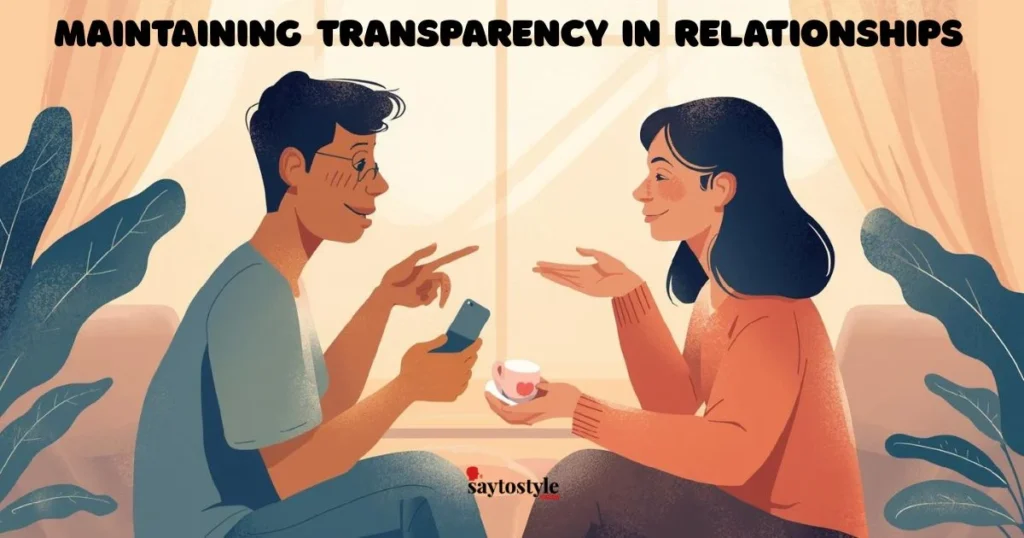
Story: You openly share your plans with your partner to prevent misunderstandings. Transparency reduces jealousy.
When to Use: All healthy relationships benefit from openness.
When Not to Use: Avoid over-sharing personal info if it may create unnecessary conflict.
Example:
Partner: “Where are you going after work?”
You: “I’m meeting friends; want me to text you updates?”
How to Respond 🗣️:
- “Share plans honestly.”
- “Invite input without creating dependency.”
- “Reassure trust through actions.”
Offering Support to Your Partner
Story: Your partner feels insecure about a promotion. Offering encouragement strengthens your bond.
When to Use: When jealousy stems from self-doubt or comparison.
When Not to Use: Avoid dismissing their feelings, which can escalate insecurity.
Example:
Partner: “I’m worried I’ll never get ahead like you.”
You: “You’re doing great; I’m here to support you.”
How to Respond 🗣️:
- “Reinforce their strengths and achievements.”
- “Offer guidance without pressure.”
- “Celebrate their progress genuinely.”
Top Are You Jealous Responses (Editor’s Picks)
- “Only jealous of your free time.”
Situation: Great when someone brags about how much they relax while you’re busy. It’s a witty response that flips the tone with humor. - “Jealous? I’m just taking notes.”
Situation: Works best in casual banter with friends. It’s a clever comeback that makes you sound sharp instead of defensive. - “Yes, I’ll cry about it later.”
Situation: Perfect for siblings or friends who love teasing. This playful reply adds light sarcasm without sounding mean. - “Only jealous of your barber’s courage.”
Situation: Ideal when someone brags about their haircut. A funny response that gets laughs in group chats. - “Not jealous, just curious how long that’ll last.”
Situation: Works when someone shows off something flashy. It’s a smart retort that keeps you cool. - “Totally jealous… of your ability to brag.”
Situation: Best for when someone is over-the-top. This humorous answer adds sass without being too harsh. - “Only jealous of the Wi-Fi you’re hogging.”
Situation: Works in everyday life when someone has a better internet. A funny comeback everyone can relate to. - “Not jealous—I’m just entertained.”
Situation: Perfect for group settings when you don’t want to fuel drama. It’s a witty line that sounds confident. - “Yes, but I hide it well.”
Situation: Great as a subtle, smooth response in flirty conversations. It’s a playful reply that adds charm. - “Nope. I don’t get jealous, I do inspire.”
Situation: Works in professional or serious contexts. A clever response that shows maturity and confidence.
Tips for Crafting the Best Are You Jealous Responses
Learning a few go-to Are You Jealous Responses helps you stay quick on your feet, whether the moment calls for humor, charm, or confidence. Here are some practical tips to sharpen your delivery.
1. Stay Funny
Humor is the easiest way to defuse tension. A funny comeback like, “Yes, jealous of your snack stash,” keeps things light.
2. Be Playful
A little teasing goes a long way. Use playful replies such as, “Jealous? Only for your bad dance moves.”
3. Keep It Confident
Confidence turns the situation around. A clever response like, “Not jealous—I set my own standards,” makes you sound secure.
4. Add a Flirty Twist
In dating chats, flirty lines win. Try, “Maybe I’m jealous… of whoever gets your attention right now.” This keeps it fun and charming.
5. Match the Mood
Read the room before replying. If the tone is serious, go with a cool, witty line like, “Not jealous—just motivated.”
6. Keep It Short
Quick smart retorts land better. A simple, “Maybe,” works when you want to sound mysterious and not over-explain.
Key Insight
How can I tell if my jealousy is justified or irrational?
If your feelings come from actual evidence—like clear boundary-crossing—or are based on assumptions and insecurities, that helps you distinguish justified from irrational jealousy. Reflection and honest self-checks matter.
What are healthy ways to express jealousy without hurting the relationship?
Communicate calmly, focus on your feelings rather than blaming, and ask questions instead of making accusations. Saying something like, “I felt uneasy when…” keeps it constructive.
Can feeling jealous actually strengthen a bond if handled well?
Yes, when expressed honestly, jealousy can highlight what you value in the relationship, opening the door for deeper understanding and trust-building.
How do cultural or social norms influence jealousy in relationships?
Different cultures have different expectations around attention, fidelity, and personal space. Understanding these norms helps you interpret jealousy more accurately instead of overreacting.
Are there signs that someone else’s jealousy is controlling or manipulative?
Yes—if jealousy leads to constant monitoring, guilt-tripping, or attempts to isolate you, it’s less about emotion and more about control. Recognizing this early protects your boundaries.
How can I manage jealousy in friendships compared to romantic relationships?
Friendships usually involve competition or attention issues rather than romantic feelings. Focus on open communication, setting expectations, and remembering that your friend’s successes don’t diminish your worth.
What role does self-esteem play in how jealous we feel?
Low self-esteem makes it easier to assume others will take what you value or compare yourself unfavorably. Building confidence reduces unnecessary jealousy.
Can humor be used to diffuse jealousy without minimizing feelings?
Yes, a lighthearted joke can defuse tension, as long as it doesn’t dismiss your feelings or the other person’s. It signals confidence and keeps the conversation safe and playful.
Conclusion
Are You Jealous Responses give you a toolkit of creative ways to handle playful teasing, flirty moments, or even light competition. From funny comebacks to witty responses and clever replies, these lines show you don’t have to get defensive—you can turn the situation into something entertaining and memorable.
The right answer can add humor with friends, charm in dating chats, or confidence in professional banter. Whether you prefer playful lines or smart retorts, you now have plenty of options to fit the mood. Try a few in your next conversation and see how quickly the energy shifts in your favor.